sightseeing
Myoko Kogen, where you can be healed by nature and hot springs.
Last update: April 14, 2026
*This article has been translated by an AI translation tool.
*All images are for illustrative purposes only.
Naena Falls
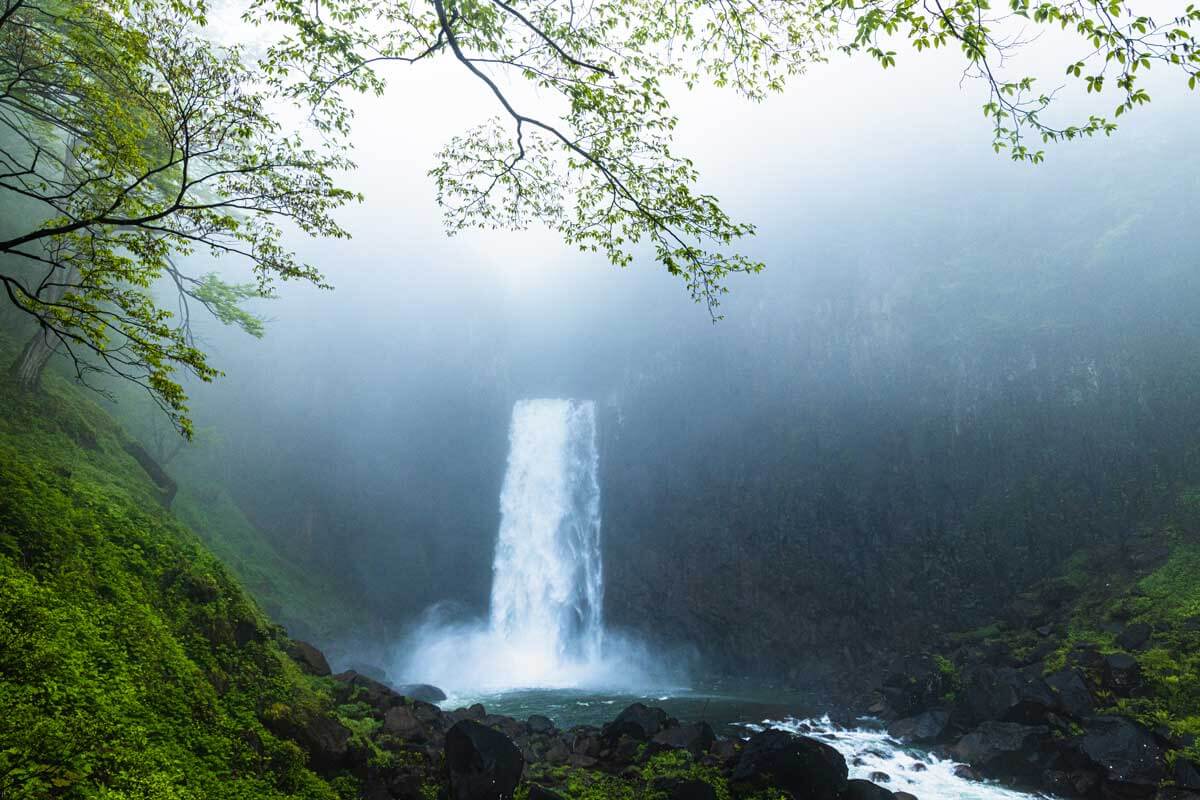
One of Japan’s Top 100 Waterfalls. Known as "Jishin-taki" (Earthquake Falls), this 55m cascade thunders with a roar that shakes the ground.
Located on the Seki River at the border of Niigata and Nagano, Naena Falls is a 55m-high masterpiece and one of "Japan’s Top 100 Waterfalls." Representing the Myoko area, it was anciently called "Jishin-taki" (Earthquake Falls) because its thunderous roar literally shook the earth. It is said that the ancient word for earthquake, "Nai," eventually evolved into the name "Naena."
The waterfall’s cliff consists of basalt from the eruption of Mt. Kurohime approx. 30,000 years ago, creating a geologically stunning view of well-developed columnar joints. A maintained trail leads from the parking lot to the observation deck in about 15 mins. The sight of the massive falls from the suspension bridge is breathtaking—so close that the mist may dampen your clothes. While spring (snowmelt) and autumn (foliage) are most popular, summer offers a refreshing contrast of cool spray and lush greenery. Please note the trail is closed in winter (early Dec to mid-April); checking with the Myoko Kogen Visitor Center before visiting is recommended.
Suginosawa, Myoko City, Niigata (Naena Falls Trailhead)
Akakura Onsen
Boasting over 200 years of history and the highest water volume in Niigata, this "Double Beauty Spa" was beloved by legendary figures like Okakura Tenshin and Akiko Yosano.
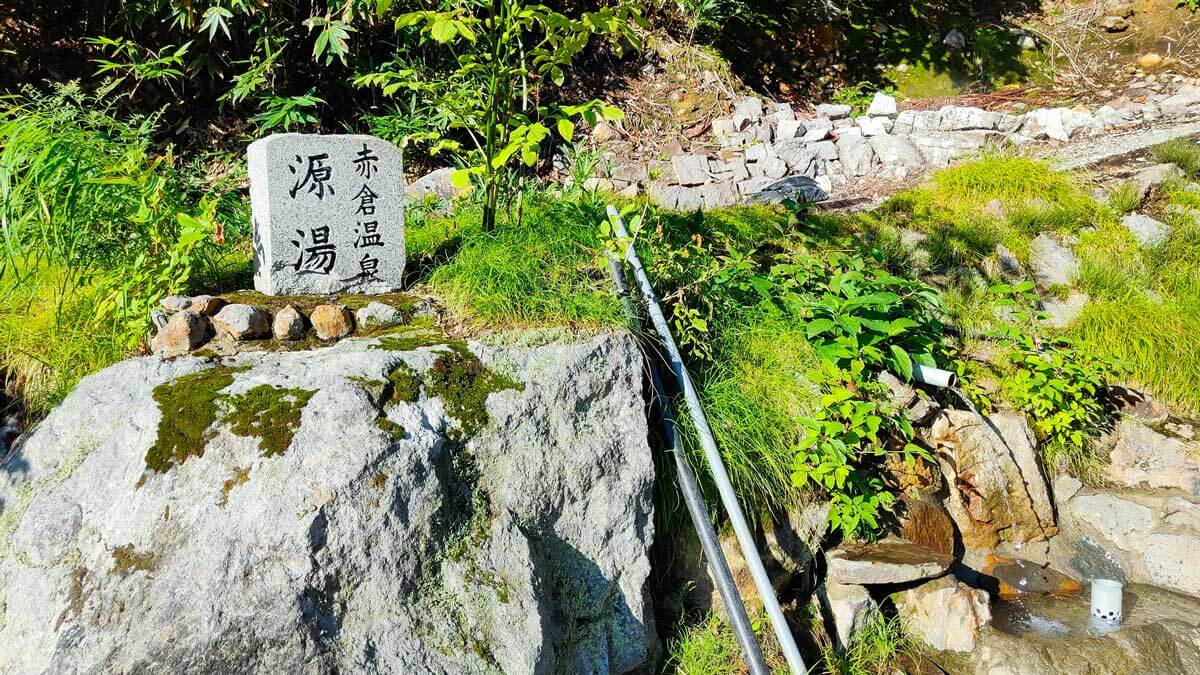
Sourced from the Kitajigokudani Valley of Mt. Myoko, Akakura Onsen is the largest hot spring resort in the Myoko Kogen area, with a history dating back to 1816. Located 800m above sea level, it boasts Niigata's highest discharge rate at 3,400 liters per minute. The spring is a "Double Beauty Spa," combining sulfate and bicarbonate minerals known for skin beautification, wound healing, and relieving neuralgia. Naturally flowing at 49–60°C, the water reaches the perfect temperature as it travels through several kilometers of pipes, resulting in a premium, silky texture that keeps the body warm long after bathing.
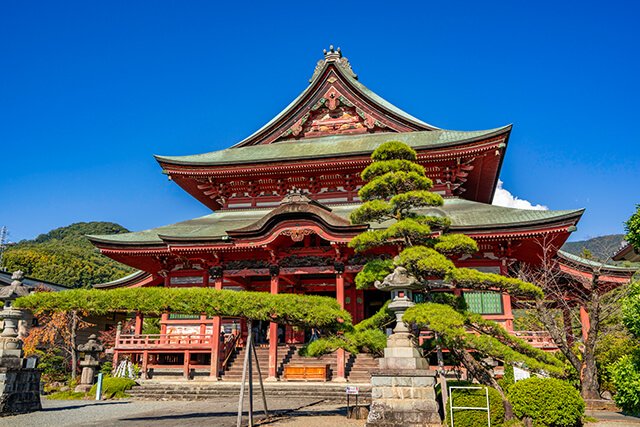
Following the opening of the Shinetsu Main Line in the Meiji era, Akakura developed into a cultural highland resort, hosting villas for legendary writers and thinkers like Koyo Ozaki, Tenshin Okakura, and Akiko Yosano. Tenshin Okakura famously likened the area to the French artist colony "Barbizon" and spent his final days here in 1913. Visitors can enjoy the historic hot spring town with its footbath park, souvenir shops selling "Onsen Manju" buns, and the magnificent public open-air bath "Taki-no-Yu," surrounded by 30,000 rocks. In winter, it thrives as a premier ski resort. Akakura is also gaining global attention as a prime viewing spot for the Total Solar Eclipse on September 2, 2035—becoming famous as "the best hot spring town in the world to witness the eclipse."
Akakura, Myoko City, Niigata (Akakura Onsen Tourism Association)
Mount Myoko, Tsubame Trail
To the Summit of One of Japan's 100 Famous Mountains and the "Echigo Fuji" — An Authentic Climbing Course Welcomed by Free Open-air Baths "Kogane-no-yu" and "Kawara-no-yu."
At an altitude of 2,454m, Mount Myoko is a famous peak in Echigo that was selected as one of Kyuya Fukada's "100 Famous Japanese Mountains," and together with Mount Yakeyama and Mount Hiuchi, it forms the "Kubiki Three Mountains." It is also called "Echigo Fuji" due to its elegant appearance with long slopes extending to the base, and from the summit, a 360-degree panorama stretches from the peaks of the Northern Alps to the Sea of Japan.
The Tsubame Trail is the most popular climbing route, starting from Tsubame Onsen, a hidden hot spring at the foot of Mount Myoko. To reach the trailhead, pass through the Tsubame Onsen town area; a mountain registration box is located just beyond the town.
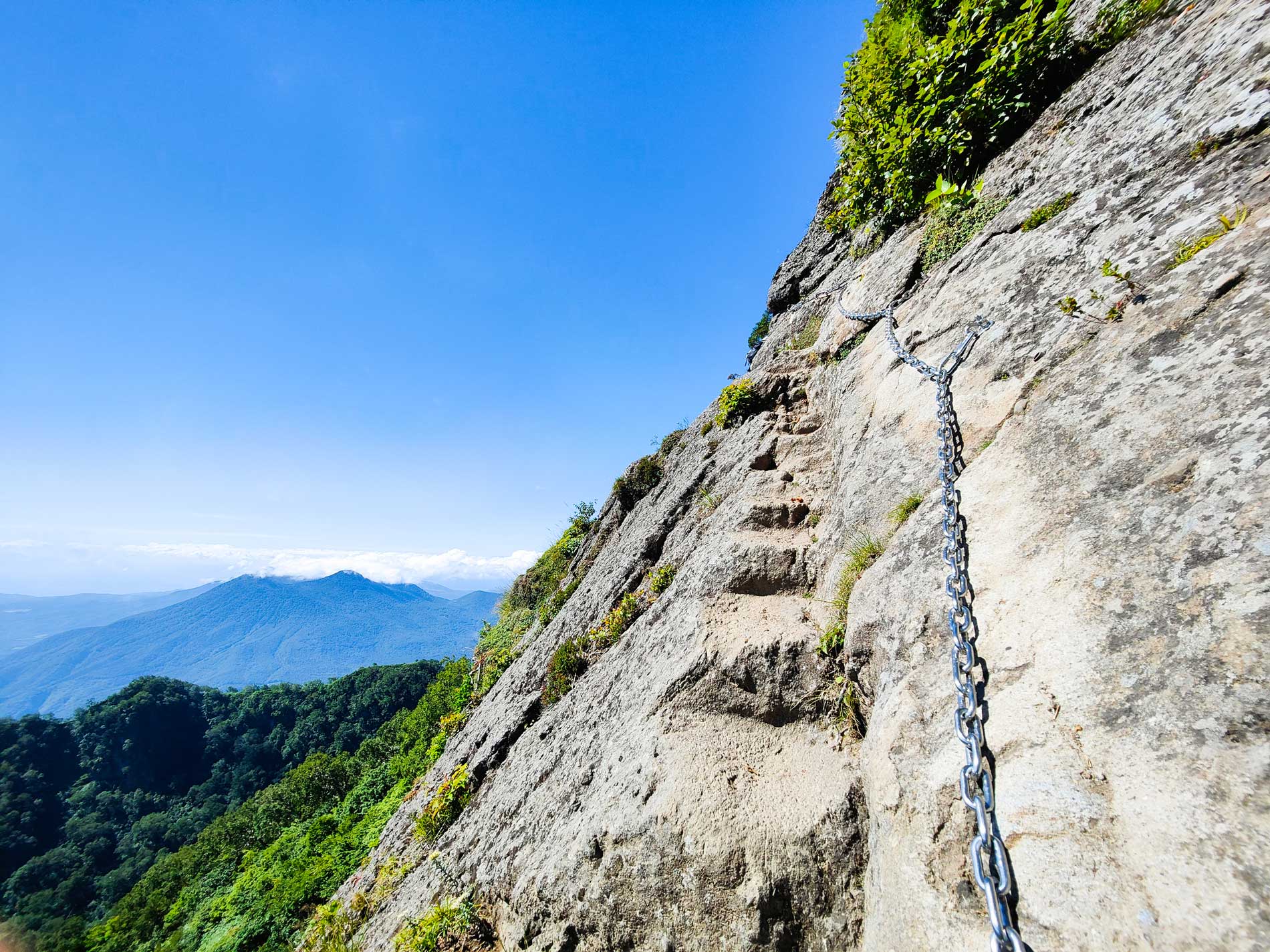
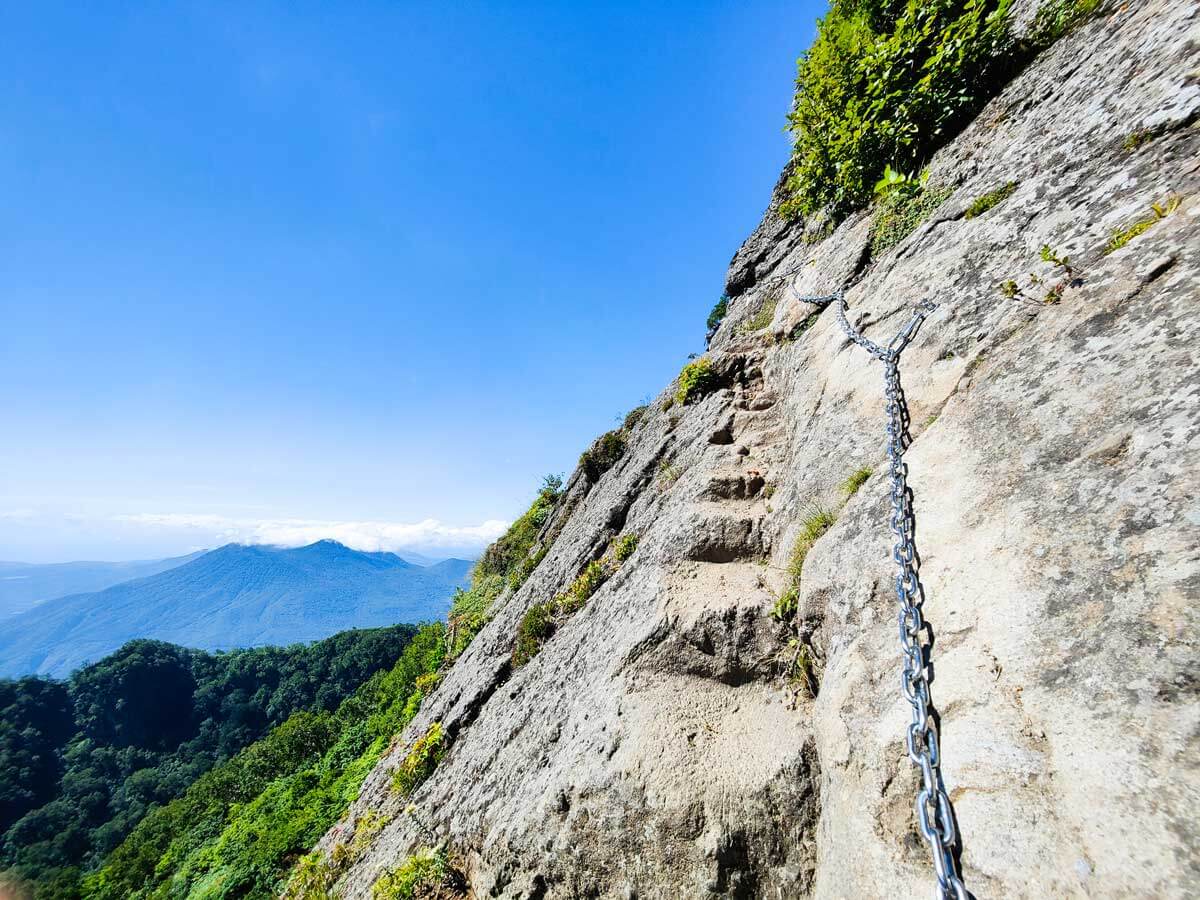
From the beginning, the trail is divided into two routes: the main course along the Kita-jigokudani Valley and the sub-course offering views of Sotaki Falls (an 80m drop, ranked among Japan's Top 100 Waterfalls), which merge at the Yudo Junction. After the junction, you will climb the steep switchbacks known as "Munetsuki Hatcho," passing through Tengudo and a chain-assisted section (kusariba) to reach the summit (South Peak, 2,446m). The North Peak (2,454m) is located about 130m further ahead. The estimated climbing time from the trailhead to the summit is approximately 4 to 5 hours (with an elevation gain of about 1,300m), making it a physically demanding course.
The greatest highlight of the Tsubame Trail is the two free open-air baths along the course, "Kogane-no-yu" and "Kawara-no-yu." Milky-white sulfur springs bubble up amidst the great outdoors, luxuriously healing your fatigue after the climb (closed during winter). The trailhead is reachable within a 5-minute walk from the parking lot, and the voluntary entrance cooperation fee (500 yen) is used for trail maintenance. As an ancient sacred site for mountain worship, it continues to tell the history of Shugendo (mountain asceticism) to this day.
Tsubame Trail: 1516 Oaza Futamata, Myoko City, Niigata Prefecture (Tsubame Onsen Parking Lot) *Trailhead