history
A Journey Through the History and Culture of Aichi
Last update: April 24, 2026
*This article has been translated by an AI translation tool.
*All images are for illustrative purposes only.
Inuyama Castle
One of Japan's five National Treasure castles and the oldest surviving wooden keep in the country.
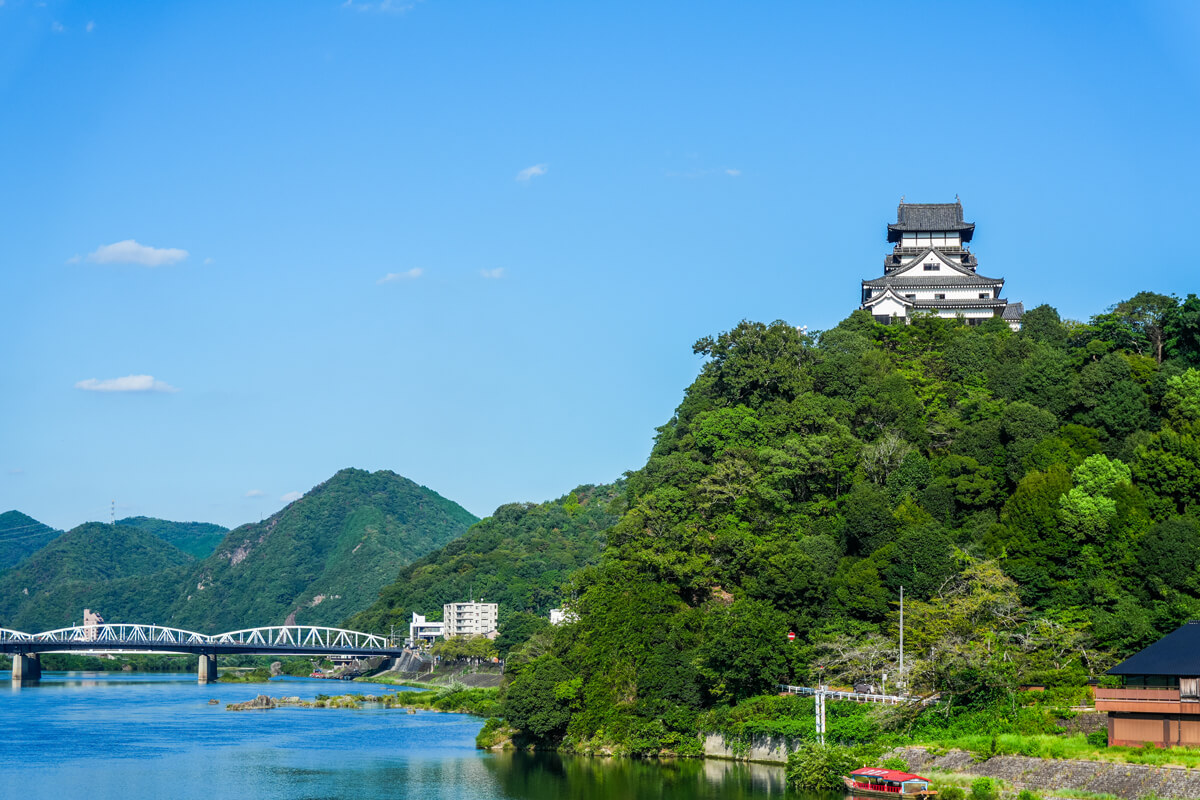
Said to have been built in 1537 during the Muromachi period by Oda Nobuyasu, the uncle of Oda Nobunaga, its castle keep is the oldest surviving one in Japan. Because it was located in a strategic position on the border between Owari and Mino provinces, it has a turbulent history of changing hands many times, with leaders like Nobunaga, Hideyoshi, and Ieyasu all fighting for control during their respective eras.
Only five castles nationwide are currently designated as National Treasures: Inuyama Castle (also known as Hakutei Castle), Matsumoto Castle, Himeji Castle, Hikone Castle, and Matsue Castle. Until it was transferred to the Inuyama Castle Hakutei Bunko Foundation in 2004, it drew significant attention as a rare castle that was privately owned.
The top floor features a unique balcony—the only one among Japan’s National Treasure castles—offering panoramic views of the Kiso River and Nagoya’s skyline. Below, the Edo-style town offers local snacks like Gohei-mochi and the heart-shaped charms of Sanko Inari Shrine. Whether it’s cherry blossoms in spring or autumn leaves, this spot provides stunning seasonal beauty year-round.
Approx. 15-minute walk from Meitetsu Inuyama-yuen Station (West Exit).
65-2 Inuyama Kitakoken, Inuyama City, Aichi Prefecture
Tokoname Pottery Path
Walking through the home of Tokoname ware with a thousand-year history
Located on a small hill in central Tokoname City on the Chita Peninsula, the Pottery Path is a popular tourist spot where the 1,000-year history of Tokoname ware and the lives of its artisans still linger. The area covers the heart of the ceramics industry that flourished during the early Showa era, with scattered chimneys, kilns, and factories quietly telling the story of its prosperous past.
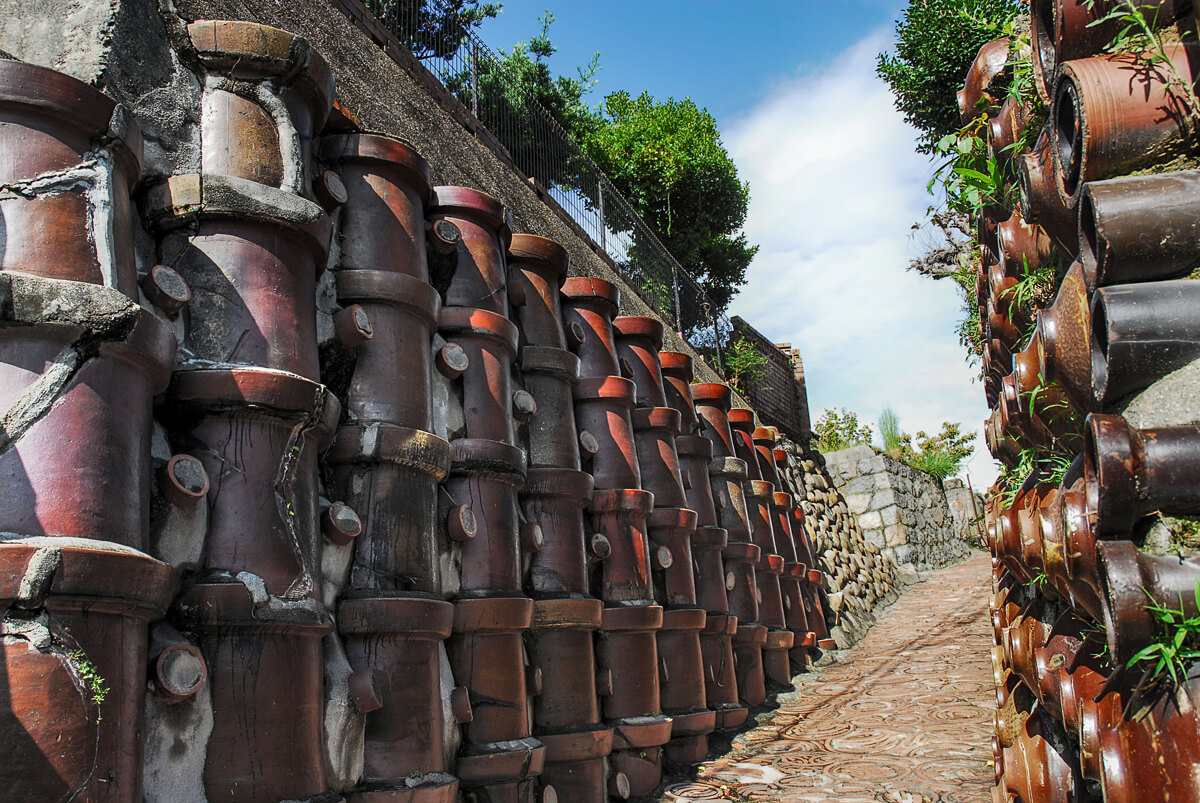
Course A (1.6 km, approx. 1 hour) takes you through areas filled with history, featuring brick chimneys, kilns, black-walled factories, and paths made from recycled pottery. Course B (4 km, approx. 2.5 hours) is packed with attractions like the INAX Live Museum. A highlight of the path is "Dokan-zaka" (Clay Pipe Hill), where walls lined with Meiji-era clay pipes and early Showa-era shochu bottles make it a popular photo spot.
Built around 1887 and designated as a National Important Tangible Folk Cultural Property in 1982, the climbing kiln (Noborigama) is one of the largest surviving kilns in Japan and was recognized as a Heritage of Industrial Modernization in 2007. Tokoname is also famous as Japan's top producer of Maneki-neko (beckoning cats). With plenty of activities like pottery workshops and guided tours, it is the city's largest tourist destination, attracting over 300,000 visitors annually.
3-8 Sakaemachi, Tokoname City, Aichi Prefecture (Tokoname Tourist Information Center / Starting point of the Pottery Path)
Approx. 5-minute walk from Meitetsu Tokoname Station
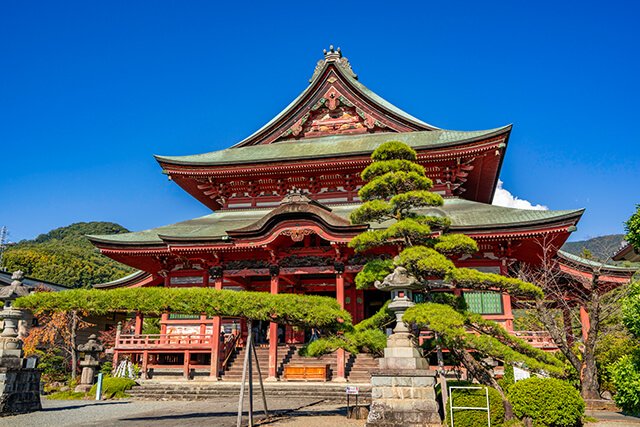
Osu Kannon
One of the three major Kannon temples in Japan
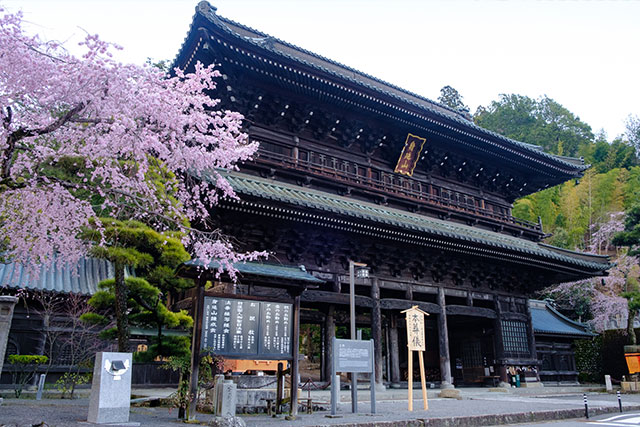
Founded in 1333, its official name is Kitanosan Shinpuku-ji Hosho-in. However, it is widely known and loved by locals as Osu Kannon. It is a prestigious Buddhist site, counted as one of Japan's three major Kannon temples alongside Asakusa Kannon and Tsu Kannon. Originally located in Osu, Mino, it was moved to its current site in 1612 by Ieyasu Tokugawa. While the main hall was destroyed during the war, it was rebuilt in 1970. The Osu Bunko library houses approximately 15,000 volumes, including a National Treasure manuscript of the Kojiki.
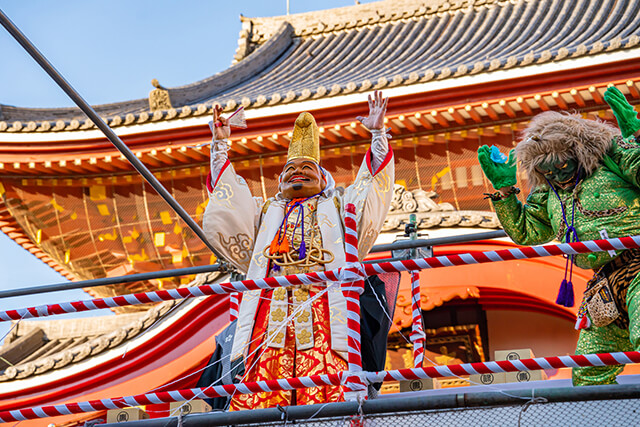
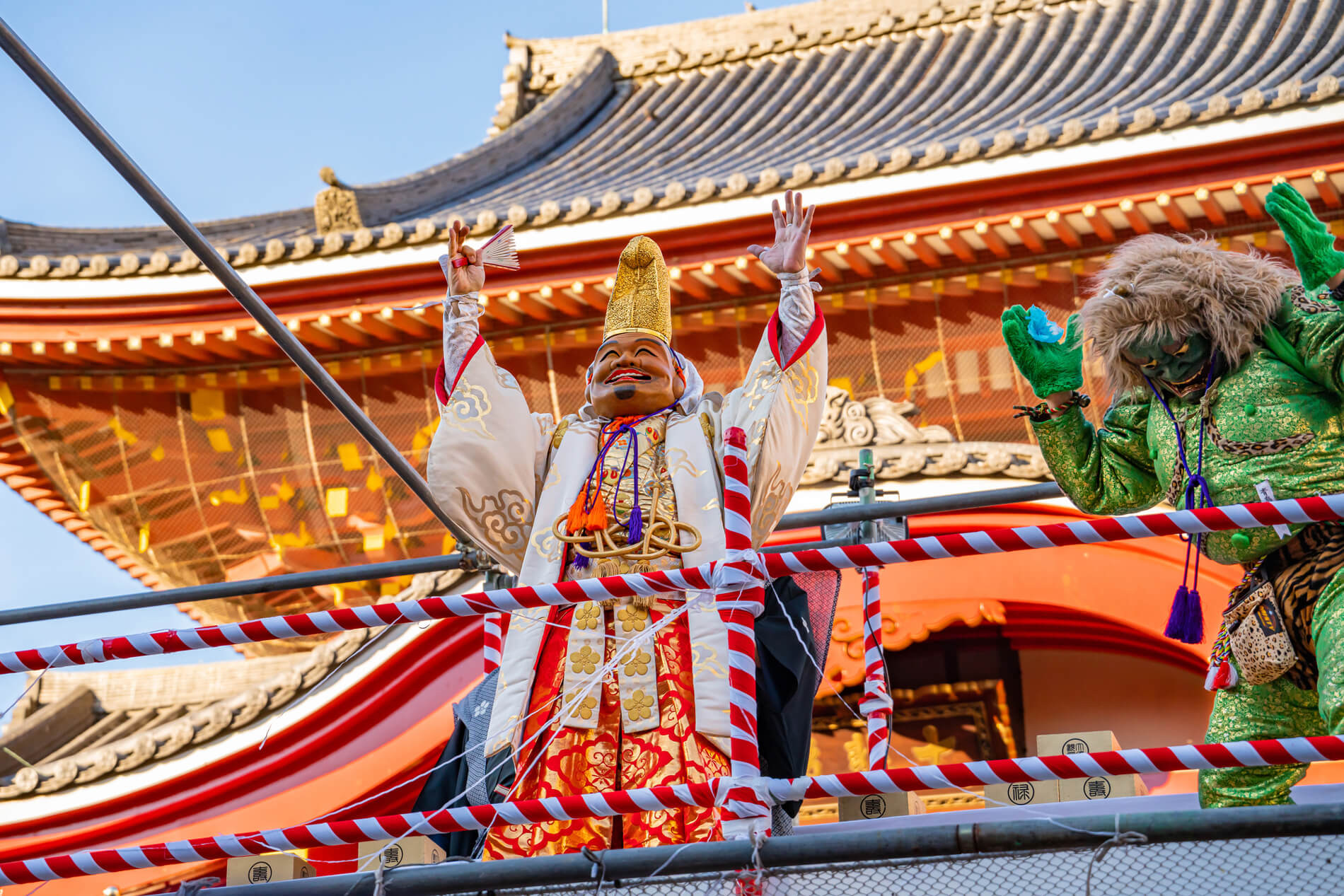
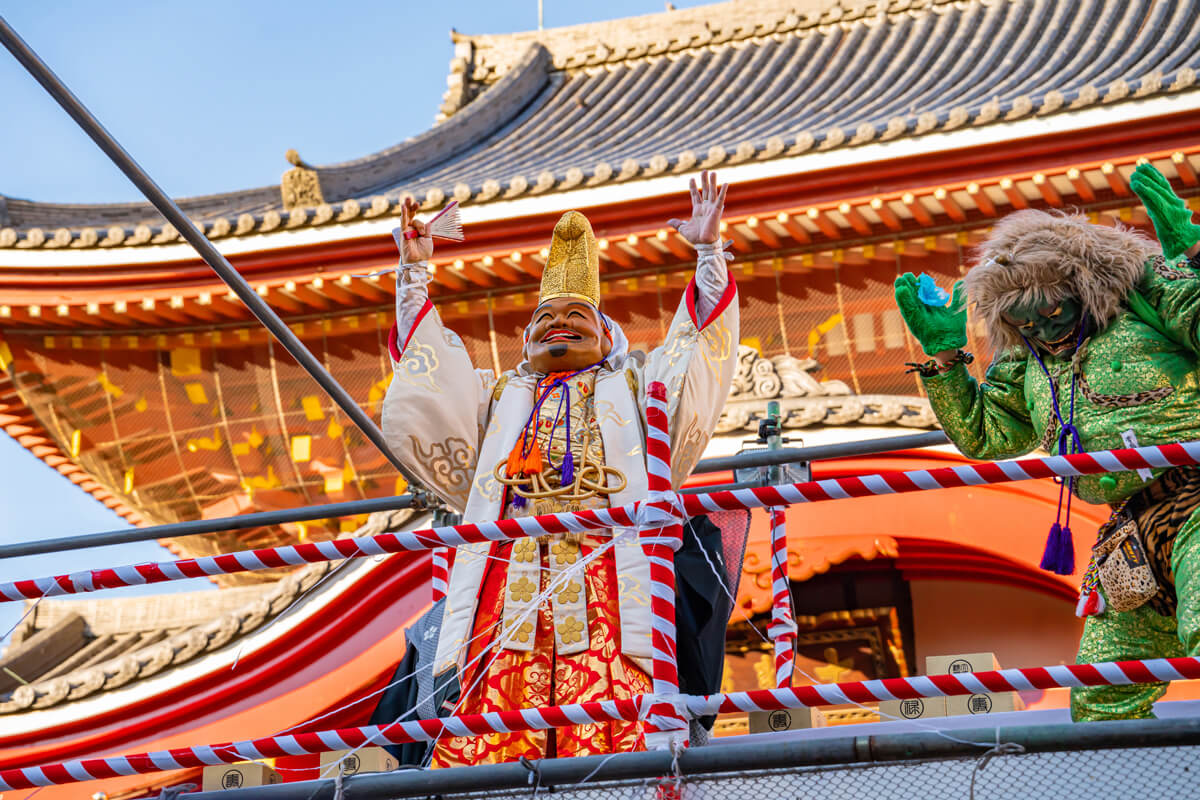
The library of 15,000 volumes kept at Osu Kannon, including manuscripts and the Important Cultural Property "Shamonki," is known as one of the "Three Great Libraries of Japan" alongside those of Ninna-ji in Kyoto and Negoro-ji in Wakayama, and is designated as a National Important Cultural Property. Many events are held throughout the year, including an antique market on the 18th and 28th of every month, and the "Treasure Ship Parade" and "Exorcism of the Fortune God and Ogre"—a tradition since the Muromachi period—held on Setsubun (February 3rd).
On the east side of the temple grounds lies the Osu Shopping District, an area enclosed by four main streets: Wakamiya-odori, Fushimi-dori, Osu-dori, and Minami-otsu-dori. With approximately 1,200 shops offering everything from local gourmet and vintage clothing to electronics, it is known as a "melting pot" shopping district and serves as a vibrant hub for Nagoya’s unique culture.
2-21-47 Osu, Naka-ku, Nagoya City, Aichi